Car Won’t Start After Sitting for a Long Time? Try These Fixes
Key Takeaways
- A dead or discharged battery is the most common reason a car will not start after sitting unused for an extended period.
- Checking battery connections, fuel quality, fluid levels, and tire condition should be part of the initial inspection process.
- Long-term storage can lead to issues such as corrosion, stale fuel, flat-spotted tires, and rodent damage.
- Jump-starting the battery may solve the problem, but older batteries may need replacement if they can no longer hold a charge.
- Vehicles that have been sitting should be driven carefully at first while monitoring for unusual noises, warning lights, or performance issues.
- Preventive measures such as using a battery maintainer, fuel stabilizer, and regular short drives can reduce storage-related problems.
- Professional diagnosis may be necessary if the vehicle still will not start after basic troubleshooting steps.
Few things are more frustrating than getting into your car, turning the key or pressing the start button, and discovering that the vehicle will not start. This situation is especially common when a car has been sitting unused for weeks or even months. Whether the vehicle was stored during winter, left parked while traveling, or simply not driven regularly, several issues can develop when a car remains inactive for an extended period.
The good news is that many no-start problems after long-term storage are relatively simple to diagnose and fix. In many cases, the issue may be a discharged battery, stale fuel, corroded connections, or low tire pressure. Understanding the most common causes can help drivers get their vehicles back on the road safely and avoid unnecessary repair expenses.
This guide explains why cars often fail to start after sitting for a long time, how to troubleshoot the problem, and what steps you can take to prevent it from happening in the future.
Why Cars Develop Problems When Sitting
Vehicles are designed to be driven regularly.
When a car sits unused, several systems may begin to deteriorate due to:
- Battery discharge
- Fuel degradation
- Moisture buildup
- Corrosion
- Lack of lubrication
Even newer vehicles can develop issues if they remain parked for long periods.
Understanding what happens during storage can make troubleshooting much easier.
Start With the Battery
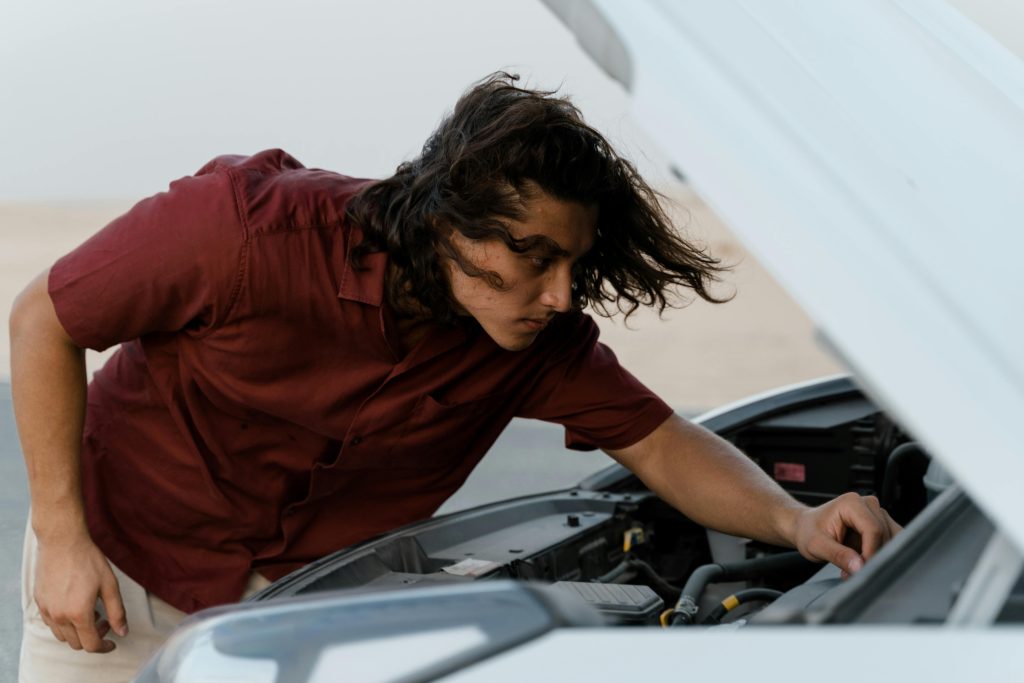
A dead battery is one of the most common reasons a car will not start after sitting.
Even when the vehicle is off, certain systems continue to draw small amounts of power.
Examples include:
- Security systems
- Clocks
- Computer modules
- Keyless entry systems
Over time, these small power draws can discharge the battery.
Signs of a Dead Battery
You may notice:
- No dashboard lights
- Clicking sounds
- Slow engine cranking
- Completely unresponsive electronics
These symptoms often indicate a weak or dead battery.
Try Jump-Starting the Vehicle
If the battery is discharged, a jump-start may solve the problem.
Basic Jump-Starting Steps
- Connect the positive cable to the positive battery terminal.
- Connect the other positive cable end to the donor battery.
- Connect the negative cable to the donor battery.
- Attach the remaining negative clamp to a metal grounding point.
- Start the donor vehicle.
- Attempt to start the disabled vehicle.
Always follow manufacturer instructions and safety precautions.
If the car starts, allow it to run long enough to recharge the battery.
Check Battery Age
Batteries have limited lifespans.
Most vehicle batteries last:
- Three to five years
If the battery is older and repeatedly loses charge, replacement may be necessary.
Even a jump-start may only provide a temporary solution if the battery has reached the end of its useful life.
Inspect Battery Terminals
Corrosion can prevent proper electrical flow.
Battery corrosion often appears as:
- White residue
- Blue buildup
- Green deposits
Cleaning Battery Terminals
Use:
- Protective gloves
- Safety glasses
- Battery cleaning tools
Clean terminals help restore proper electrical connections.
Corrosion is a common issue after long periods of inactivity.
Listen for Engine Cranking
The sound your vehicle makes during startup can provide valuable clues.
No Sound at All
May indicate:
- Dead battery
- Electrical problem
- Starter issue
Clicking Noise
Often suggests:
- Weak battery
- Poor battery connection
Engine Cranks but Won’t Start
May point to:
- Fuel issues
- Ignition problems
- Sensor failures
Paying attention to these symptoms can help narrow down the cause.
Check the Fuel System
Fuel can deteriorate when left sitting for extended periods.
Gasoline may begin breaking down after several months.
Problems can include:
- Reduced combustibility
- Deposits
- Fuel system contamination
Signs of Fuel Problems
- Engine cranks but won’t start
- Rough idle
- Poor performance
If fuel has been sitting for a very long time, replacing it may be necessary.
Add Fresh Fuel
If the tank contains old fuel but is not completely full, adding fresh gasoline may help improve fuel quality.
Some drivers also use:
- Fuel stabilizers
- Fuel system cleaners
These products may help restore fuel performance in certain situations.
Always follow product instructions carefully.
Inspect Fuel Lines
Long-term storage can occasionally affect fuel lines.
Look for:
- Cracks
- Leaks
- Damage
Fuel leaks should be addressed immediately.
Never attempt to start a vehicle if you smell strong gasoline odors around damaged fuel components.
Check Engine Oil Levels
Although low oil may not always prevent starting, proper lubrication is important before operating a vehicle that has been sitting.
Check:
- Oil level
- Oil condition
If the oil appears excessively dirty or old, consider changing it before driving extensively.
Fresh oil helps protect engine components.
Examine Other Fluids
Stored vehicles should also have other fluids inspected.
Check:
- Coolant
- Brake fluid
- Transmission fluid
- Power steering fluid
- Windshield washer fluid
Proper fluid levels support safe operation and prevent unnecessary wear.
Inspect Belts and Hoses
Rubber components can deteriorate while a vehicle sits.
Look for:
- Cracks
- Dry rot
- Soft spots
- Leaks
Damaged belts and hoses should be replaced before driving long distances.
Preventive inspection can help avoid breakdowns.
Look for Rodent Damage
Vehicles stored for long periods sometimes attract rodents.
Mice and other animals may chew:
- Wiring
- Hoses
- Insulation
Rodent damage can create significant electrical and mechanical problems.
Signs of Rodent Activity
- Nesting materials
- Droppings
- Chewed wires
Address damage promptly before operating the vehicle.
Check the Starter System
If the battery is functioning properly but the engine still will not start, the starter may be the issue.
Common starter symptoms include:
- Single click
- Grinding noises
- No engine cranking
Starter failures may require professional diagnosis and replacement.
Inspect Fuses
Blown fuses can sometimes prevent starting.
Modern vehicles rely heavily on electrical systems and sensors.
Check:
- Starter fuse
- Fuel pump fuse
- Ignition-related fuses
Refer to the owner’s manual for fuse locations and specifications.
Verify the Alternator Is Working
After successfully starting the vehicle, monitor battery performance.
If the battery repeatedly dies, the alternator may not be charging properly.
Possible signs include:
- Battery warning light
- Dimming lights
- Electrical issues
A charging system test can help identify alternator problems.
Check Tire Condition
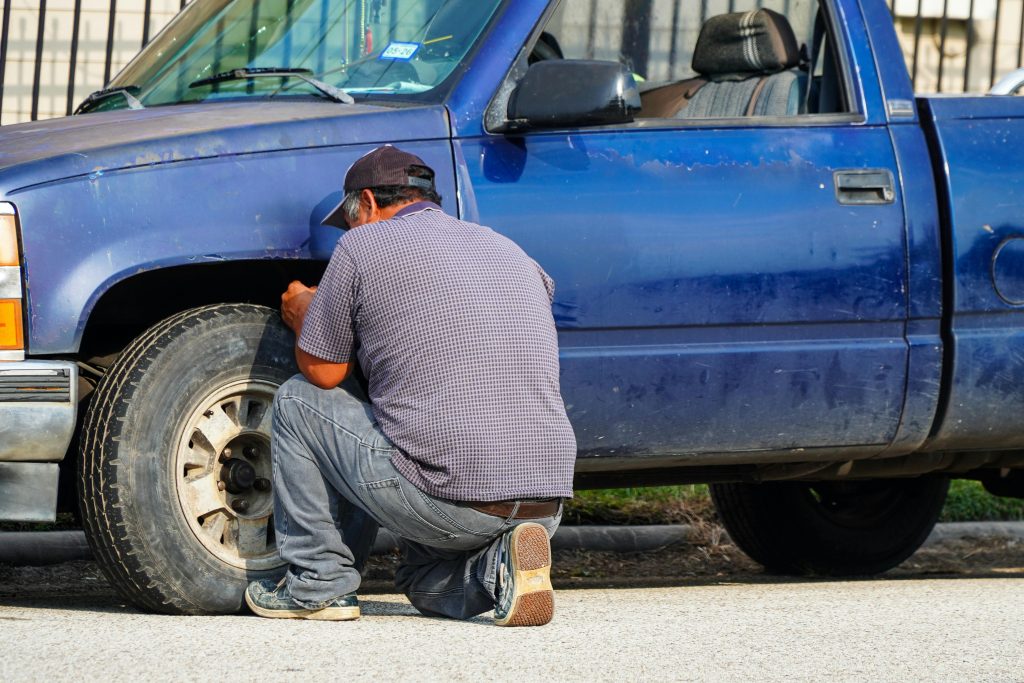
Even if the vehicle starts, tire condition should be evaluated before driving.
Long-term storage may cause:
- Low tire pressure
- Flat spots
- Cracking
Tire Inspection Checklist
- Check pressure
- Inspect tread
- Look for sidewall damage
Proper tire maintenance improves safety and handling.
Examine the Brakes
Brakes may develop surface rust during storage.
Minor rust often disappears after driving.
However, significant rust may cause:
- Noise
- Reduced braking performance
- Sticking components
If braking feels unusual, have the system inspected before extended driving.
Test Lights and Electronics
Before returning a stored vehicle to regular use, check:
Exterior Lights
- Headlights
- Brake lights
- Turn signals
Interior Systems
- Dashboard displays
- Power windows
- Climate controls
Electrical issues sometimes develop during storage periods.
Watch for Warning Lights
Modern vehicles monitor many systems.
After startup, pay attention to warning indicators such as:
- Check Engine light
- Battery light
- Oil pressure light
- ABS warning light
Persistent warning lights may indicate underlying issues that require attention.
Understand Common Storage-Related Problems
Part of understanding common car problems involves recognizing that inactivity itself can create mechanical issues.
Vehicles often perform best when driven regularly.
Storage-related problems commonly affect:
- Batteries
- Tires
- Fuel systems
- Electrical components
Knowing these risks helps owners prepare properly before storing a vehicle.
Drive the Vehicle Gently at First
Once the car starts, avoid immediately taking a long highway trip.
Instead:
- Drive short distances
- Monitor performance
- Listen for unusual sounds
This allows systems to gradually return to normal operation.
Pay attention to:
- Engine behavior
- Braking performance
- Steering response
Change Filters if Necessary
Long-term storage can affect filters.
Inspect:
- Engine air filter
- Cabin air filter
- Fuel filter if applicable
Clean filters support better performance and efficiency.
Prevent Future Storage Problems
The best solution is prevention.
Before Storing a Vehicle
- Fill the fuel tank
- Add fuel stabilizer
- Disconnect or maintain the battery
- Inflate tires properly
- Clean the vehicle thoroughly
These steps reduce many common storage-related issues.
Use a Battery Maintainer
A battery maintainer, sometimes called a trickle charger, helps keep batteries charged during storage.
Benefits include:
- Reduced battery discharge
- Longer battery life
- Easier startup
This is one of the most effective preventive measures.
Start and Drive the Vehicle Periodically
If possible, operate the vehicle occasionally during storage.
Regular driving helps:
- Charge the battery
- Circulate fluids
- Prevent tire flat spots
- Reduce moisture buildup
Even short drives can provide significant benefits.
Avoid Common Restart Mistakes
Some owners accidentally create new problems when restarting stored vehicles.
Examples include:
- Ignoring warning lights
- Driving immediately at highway speeds
- Skipping fluid checks
- Overlooking tire condition
Careful inspections help reduce risks.
Prepare Before Long Trips
After reviving a stored vehicle, inspect it thoroughly before taking extended drives.
Some of the same common mistakes during long drives can become more serious if a vehicle has recently come out of storage.
Checking fluids, tires, brakes, and battery condition beforehand helps improve reliability and safety.
Know When to Call a Professional
Some problems require expert diagnosis.
Seek professional assistance if:
- The vehicle still won’t start after jump-starting
- Warning lights remain on
- Fuel system problems persist
- Electrical issues continue
- Unusual noises occur
Professional testing can quickly identify more complex issues.
Final Thoughts
If your car won’t start after sitting for a long time, the problem is often related to a discharged battery, fuel issues, corrosion, or other storage-related conditions. Fortunately, many of these issues can be diagnosed and resolved with basic troubleshooting and maintenance.
Starting with the battery, inspecting fluids, checking tires, examining fuel quality, and looking for signs of damage can help identify the cause and get the vehicle running again. Taking preventive steps before storage, such as using a battery maintainer and fuel stabilizer, can significantly reduce future problems.
With proper care and attention, most vehicles can return to reliable operation even after extended periods of inactivity, allowing drivers to get back on the road safely and confidently.