10 Most Common Auto Repairs and What You Should Know About Them

Vehicle ownership always includes maintenance, but the difference between manageable upkeep and expensive breakdowns often comes down to awareness. Many drivers treat repairs as unpredictable events, yet most mechanical failures follow consistent patterns tied to wear, environment, and driving habits. Recognizing these patterns helps you respond earlier and budget more effectively.
Knowing what tends to fail first also changes how you approach scheduling service. Instead of reacting to symptoms, you can plan inspections around mileage, seasonal changes, and driving conditions. This approach reduces downtime and prevents minor issues from evolving into complicated mechanical problems.
1. Brake Wear And Stopping Performance
Brake components gradually wear down through constant friction and heat. Pads thin over time, rotors may warp, and fluid can degrade under repeated stress. These changes rarely happen all at once, which means subtle signs like vibration or noise often appear before performance declines.
When braking response feels inconsistent, a professional brake repair service can evaluate pad thickness, rotor condition, and fluid integrity. Addressing wear early usually prevents damage to more expensive components deeper in the braking system.
Stopping distance often increases gradually rather than suddenly. Many drivers adapt without realizing it, which is why periodic inspections matter even when the vehicle still feels safe. Monitoring braking performance is one of the most direct ways to protect both passengers and other drivers.
2. Engine Misfires And Performance Loss
Engines rely on precise timing, air flow, and fuel delivery. A small imbalance in any of these areas can create hesitation, poor acceleration, or rough idle. Sensors, spark plugs, and fuel injectors frequently contribute to these issues as they age.
Routine inspections during scheduled auto repairs can reveal these early warning signs. Diagnostic scans often identify misfires before they trigger visible symptoms, allowing technicians to correct the issue before internal components suffer damage.
Ignoring performance irregularities can strain cooling and exhaust systems, which spreads the impact beyond the original cause. Addressing misfires early helps keep the engine operating efficiently and extends overall lifespan.
3. Battery And Charging System Failures
Electrical reliability depends on both the battery and the charging system that supports it. Cold weather, heat, and vibration gradually weaken battery capacity. Alternators and cables can also deteriorate, reducing the system’s ability to recharge properly.
Electrical failures often appear suddenly, but the decline usually begins long before the vehicle refuses to start. Regular testing during routine maintenance helps confirm that the system still holds sufficient charge and output.
Because modern vehicles depend on electronics for safety and performance, stable voltage is more important than ever. Even minor electrical instability can trigger warning lights or affect system calibration.
4. Suspension Wear And Ride Stability
Suspension components absorb road impact and maintain tire contact with the pavement. Over time, shocks, struts, and bushings lose effectiveness, causing uneven tire wear or reduced steering control. These changes often develop gradually, making them easy to overlook.
Inspection visits through reputable auto repair services help identify worn suspension parts before they affect braking or handling. Replacing these components early improves comfort and protects tires from uneven wear.
Drivers often notice the difference most during highway travel or rough pavement. Stable suspension improves both safety and long-term operating costs.
5. Windshield Chips And Structural Visibility
Road debris frequently causes small chips that seem harmless at first. Temperature shifts, vibration, and moisture can cause these chips to spread into larger cracks that obstruct vision and weaken structural support.
A qualified auto glass service can often stabilize minor damage quickly, preventing the need for a full replacement. Early attention preserves both visibility and structural integrity.
Because the windshield contributes to roof strength during a rollover, maintaining its condition is a safety priority rather than just a cosmetic concern.
6. Body Damage From Minor Collisions
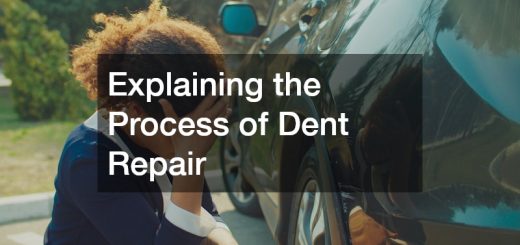
Parking mishaps and low-speed impacts often leave dents or scratches that appear cosmetic but may hide deeper misalignment. Even small collisions can affect how panels fit together or how the vehicle tracks on the road.
Professional auto body repair ensures that alignment and structural geometry are restored alongside surface appearance. Proper measurement tools confirm that the vehicle returns to manufacturer specifications.
Repairing damage thoroughly helps maintain resale value and prevents uneven wear on tires and suspension components.
7. Bumper Impact Damage
Bumpers are designed to absorb energy during impacts, which means even minor collisions can weaken them. Cracks, loose mounting points, or internal deformation reduce their protective function.
Specialized bumper repairs restore both appearance and energy absorption capability. Addressing this damage promptly keeps the vehicle better prepared for future impacts.
Drivers often overlook bumper damage because it may not affect drivability. However, compromised bumpers reduce crash protection and can lead to higher repair costs later.
8. When Windshield Replacement Becomes Necessary
Some cracks extend beyond repairable limits or spread across the driver’s line of sight. In these cases, full auto glass replacement restores structural strength and optical clarity.
Installation quality matters just as much as the glass itself. Proper sealing prevents leaks, wind noise, and distortion while ensuring the windshield supports the vehicle’s frame as intended.
Replacing damaged glass promptly also prevents small cracks from expanding during seasonal temperature swings.
9. Exterior Protection And Paint Longevity
Environmental exposure gradually breaks down paint through UV radiation, salt, and pollutants. Over time, surfaces lose gloss and become more vulnerable to staining or corrosion.
Applying auto ceramic coating creates a protective barrier that helps resist contaminants and simplifies cleaning. This treatment does not eliminate wear entirely but slows deterioration significantly.
Protective treatments are especially useful for vehicles exposed to harsh climates or frequent highway travel. Maintaining paint condition supports resale value and overall appearance.
10. Hidden Costs When Buying Used Vehicles
Purchasing an affordable used car can provide strong value, but hidden wear often determines long-term cost. Maintenance history, accident repairs, and neglected service intervals all influence reliability.
A comprehensive inspection before purchase helps reveal underlying issues. Evaluating brakes, suspension, and structural condition reduces the chance of inheriting expensive problems soon after ownership begins.
Transparency in maintenance records is often the best predictor of future reliability. Vehicles with consistent service histories tend to require fewer unexpected repairs.
How Planning Maintenance Prevents Major Repairs
Preventive maintenance spreads costs over time and reduces the likelihood of multiple failures occurring simultaneously. Scheduling inspections based on mileage and usage patterns keeps systems functioning more predictably.
Combining fluid checks, tire rotation, and diagnostic scans during scheduled visits also helps technicians identify trends. Catching early signs of wear allows you to schedule work conveniently rather than reacting to breakdowns.
Drivers who plan maintenance typically experience fewer emergency repairs and more consistent vehicle performance.
Understanding When Replacement Makes More Sense Than Repair
Some components reach a point where replacement offers better value than repeated fixes. This often applies to aging batteries, worn suspension systems, or heavily damaged panels.
Evaluating cost versus longevity helps determine whether repairing or replacing a part makes financial sense. A short-term repair may appear cheaper but lead to repeated service visits.
Strategic replacement decisions often improve reliability and reduce long-term ownership costs.
Long-Term Ownership And Service Relationships
Working consistently with trusted technicians builds familiarity with your vehicle’s history. Over time, this helps identify patterns and anticipate needs before they become urgent.
Established service relationships also improve communication. Technicians who understand your driving habits can recommend maintenance intervals tailored to your usage.
Planning Ahead For Glass And Structural Safety
Before long road trips or seasonal weather shifts, inspecting glass and seals helps avoid sudden failures. Consultation with a reputable windshield company ensures small issues are corrected before they compromise safety.
Maintaining visibility and structural integrity is one of the simplest ways to reduce driving risk. Even minor chips deserve evaluation before conditions worsen.
Routine checks for glass, lighting, and alignment support both safety and comfort during daily driving.
Most vehicle failures are not random events but predictable outcomes of wear and environment. Understanding common repair categories allows you to plan service, budget realistically, and extend your vehicle’s useful life. Informed maintenance decisions ultimately reduce stress, improve safety, and help you get the most value from your vehicle.