Long Distance Drives and the Mistakes That Often Cause Accidents
Long distance drives can be an exciting way to explore new destinations, enjoy scenic views, or reach family and friends. Yet, the extended hours behind the wheel increase the risk of accidents compared to shorter trips. Mistakes made during planning, vehicle preparation, or while driving can turn an otherwise enjoyable journey into a stressful and dangerous experience.
Accidents on long trips are often preventable. Drivers who proactively maintain their vehicles, stay alert, and manage environmental risks significantly reduce the chance of collisions. This article explores the most common mistakes drivers make on extended drives and explains strategies for avoiding them. Each section also highlights relevant professional services that can keep your vehicle safe, functional, and reliable.
From mechanical preparation to driver behavior, route planning, and preventive care, understanding these risks empowers drivers to make informed decisions. The goal is a stress-free, safer journey that allows travelers to focus on the experience rather than potential problems.
Mistake 1: Neglecting Vehicle Maintenance Before a Long Drive
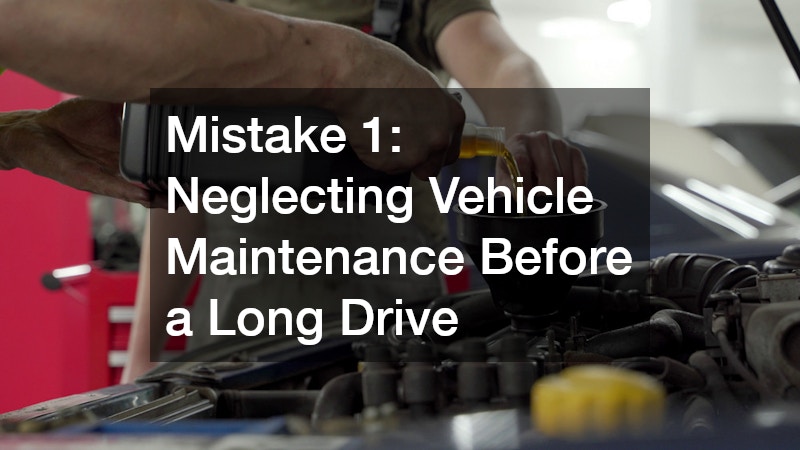
One of the biggest mistakes drivers make is starting a long trip without thoroughly checking their vehicle. Taking a car to a trusted auto services provider allows mechanics to inspect brakes, fluids, tires, and suspension systems. This proactive maintenance reduces the likelihood of unexpected breakdowns and ensures your vehicle performs reliably throughout the journey.
Ignoring steering system issues is another common oversight. Scheduling a steering repair before a long drive ensures the vehicle responds correctly to directional input, which is critical when navigating highways, curves, or sudden obstacles. A misaligned or worn steering system can compromise control and increase the risk of accidents.
Exterior vehicle care is often overlooked but important for safe driving. Minor body damage can distract drivers or reduce visibility if debris interferes with mirrors or windows. Paintless dent repairs restore panels without repainting, maintaining both the vehicle’s appearance and structural integrity. Similarly, ceramic coating services protect paint from scratches, weather, and road debris, helping preserve visibility and minimizing distractions during long trips.
By addressing maintenance proactively, drivers improve both safety and confidence. A pre-trip inspection that covers mechanical, steering, and cosmetic concerns sets the foundation for a smooth journey.
Mistake 2: Failing to Plan Your Route and Timing
Another frequent mistake is underestimating the importance of route planning. Long distance drivers who neglect this step often encounter unexpected delays, detours, or hazardous road conditions, which can lead to rushed driving and mistakes. Proper planning includes mapping out fuel stops, rest areas, and meal breaks to avoid fatigue.
Timing departures strategically can also prevent accidents. Starting early in the morning often coincides with lighter traffic and better visibility. Conversely, driving during late-night hours or peak rush times increases the likelihood of collisions due to fatigue, impaired drivers, or dense traffic.
Planning routes with potential vehicle issues in mind is also essential. Knowing the locations of nearby auto body shop services or facilities for car glass replacement ensures that any unexpected damage—like a cracked windshield or minor collision—can be addressed promptly. Being prepared reduces panic and keeps the driver focused on safe navigation.
Long distance driving often exposes motorists to unfamiliar areas, increasing accident risk. Drivers who plan ahead, monitor real-time traffic, and allow flexibility for rest or repair stops mitigate these dangers effectively.
Mistake 3: Ignoring Fatigue and Overestimating Endurance

Driver fatigue is one of the leading causes of long distance accidents. Many drivers overestimate their ability to stay alert, especially during extended highway stretches. Driving while tired slows reaction time, impairs judgment, and reduces awareness of surrounding traffic.
To avoid fatigue-related mistakes, schedule breaks every two to three hours. Even short stops for walking, stretching, or hydration can restore focus. Adequate sleep before departure is critical, and relying solely on caffeine or energy drinks is not a substitute for rest.
Vehicle comfort also plays a role in reducing fatigue. Proper steering repair services help ensure that long hours behind the wheel do not create excessive strain on the driver. In addition, well-maintained seating, mirrors, and climate controls contribute to sustained comfort and focus during long drives. Recognizing fatigue early and taking proactive steps to rest dramatically lowers accident risk.
Mistake 4: Allowing Distractions While Driving
Distraction is another mistake that frequently contributes to accidents on long drives. Cell phones, GPS devices, eating, or adjusting music can all divert attention from the road. Drivers who fail to set up navigation or entertainment before departure increase the chance of critical errors.
Even vehicle-related distractions can be dangerous. A cracked windshield or damaged mirrors can require attention while driving, which is why car glass replacement prior to a long trip is essential. Ensuring that windows and mirrors are clear and functional helps the driver maintain focus on traffic and road conditions.
Passengers can also unintentionally distract the driver. Planning ahead to create a low-stress environment, including keeping essential items accessible and limiting interruptions, allows the driver to maintain full concentration. Eliminating distractions reduces the risk of collisions and helps make long drives safer and more enjoyable.
Mistake 5: Overlooking Tires and Brakes
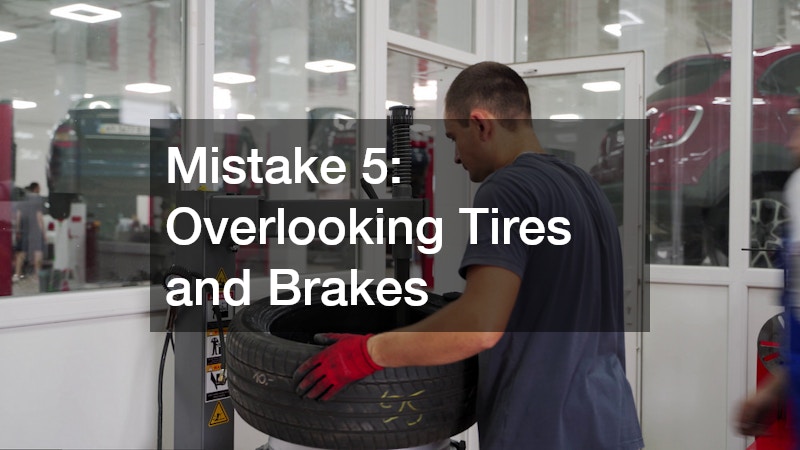
Poor tire and brake maintenance is a major contributor to accidents on highways and interstates. Tires that are worn, underinflated, or improperly aligned can lead to blowouts or loss of control. A pre-trip inspection at an auto services provider ensures tires are correctly inflated, balanced, and capable of handling long distances.
Brake performance is equally critical. Worn brake pads or uneven braking can compromise stopping ability in emergencies. Taking your car to a reputable auto body shop or service provider for a comprehensive check ensures that brakes are functioning optimally.
Load distribution is another factor often overlooked, particularly for larger vehicles. Ensuring that truck accessory installations, such as toolboxes or bed racks, are secured properly prevents additional strain on tires or suspension, which can contribute to accidents. Drivers who address tires, brakes, and load management before departure significantly reduce the risk of collisions on long drives.
Mistake 6: Ignoring Vehicle-Specific Maintenance Needs
Drivers often overlook the unique requirements of their vehicles, especially when driving long distances. Foreign or luxury vehicles may require specialized attention that standard service providers might not handle properly. Scheduling a visit to a trusted foreign car repair shop ensures that any engine, transmission, or electronic system issues are addressed before departure.
Neglecting this step can result in unexpected breakdowns or system malfunctions while on the highway. Foreign car repair services often provide preventive maintenance and diagnostics, helping drivers avoid mechanical failures that could lead to accidents. Proactive care is especially important for long trips where help may not be readily available, and having confidence that your vehicle can handle extended mileage significantly reduces stress and risk.
By understanding the unique needs of your car and working with specialized providers, drivers can prevent vehicle-related mistakes that are common on long distance drives, ensuring safer and more enjoyable travel.
Mistake 7: Overlooking Rear Visibility and Window Issues
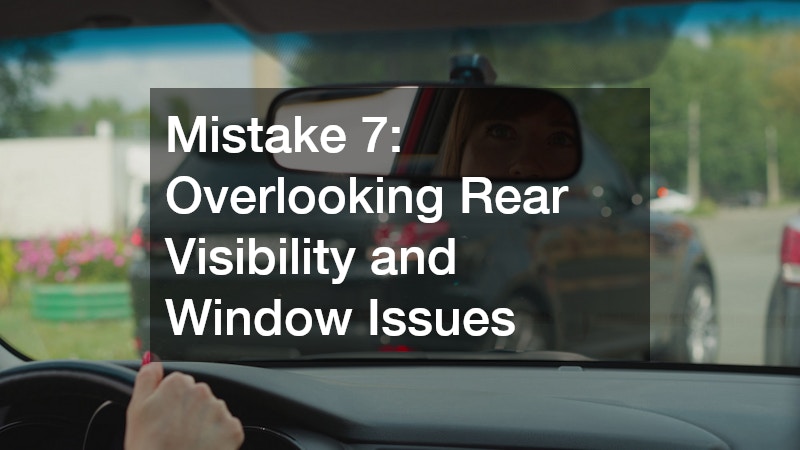
Limited rear visibility or damaged windows is a mistake many drivers fail to consider. Even minor cracks or obstructed back windows can impair judgment when changing lanes, merging, or reversing. Scheduling a back window replacement before a long trip ensures clear vision and eliminates hazards caused by blind spots or impaired visibility.
Rear window maintenance also affects safety systems like defrosters and rearview cameras. Drivers who ignore these issues increase the likelihood of accidents during high-speed driving or in adverse weather. Ensuring that all rear glass components are fully functional contributes to overall road awareness, allowing drivers to anticipate other vehicles’ movements and maintain proper spacing.
Long distance travel often involves navigating unfamiliar routes, highways, and intersections. Adequate rear visibility, combined with routine inspection of all windows and mirrors, is a critical step in preventing collisions and ensuring a smooth journey.
Mistake 8: Failing to Prepare for Financial or Insurance Emergencies
Another common mistake is starting a long drive without understanding coverage or financial preparedness. Accidents can happen despite all precautions, so drivers should review their auto insurance policy and ensure proper coverage for long distance travel, including roadside assistance, collision, and glass repair.
Being informed about insurance benefits allows drivers to respond quickly to incidents without confusion or delays. For example, knowing that your policy covers car glass replacement reduces stress if a windshield crack or other minor issues occur on the road.
Drivers should also keep insurance cards, roadside assistance numbers, and contact information readily available. Proper planning prevents delays in handling unexpected incidents and ensures that drivers can access professional help safely and efficiently, minimizing the potential consequences of accidents during long trips.
Mistake 9: Ignoring Emergency and Backup Plans
Long distance driving requires anticipating the unexpected. Not having a plan for mechanical issues, accidents, or bad weather is a major mistake. Drivers should identify nearby auto services providers along their route for potential emergencies.
Additional considerations include knowing locations for auto body shop services or car glass replacement in case of accidents, and having access to tools or temporary fixes that allow the journey to continue safely. Preparing emergency kits with essentials like first aid, spare tires, and basic repair tools reduces the stress of unexpected incidents.
By preparing in advance for emergencies, drivers ensure that even if something goes wrong, the situation can be managed safely. This proactive approach minimizes downtime, prevents secondary accidents, and maintains confidence on the road.
Mistake 10: Disregarding Road Etiquette and Defensive Driving
Another mistake that increases accident risk is poor road etiquette. Aggressive maneuvers, tailgating, improper lane changes, or inconsistent signaling can cause collisions, especially when fatigue sets in or visibility is limited. Practicing defensive driving is key.
Long distance drivers should maintain safe following distances, observe speed limits, and anticipate other drivers’ actions. Understanding common hazards and remaining courteous to other motorists prevents conflicts that often lead to accidents. Even small lapses in attention or impatience can escalate quickly at highway speeds.
Proper road etiquette combined with awareness of your vehicle’s condition—such as maintaining brakes, steering, and tire health—reduces accident risk and improves overall driving safety.
Mistake 11: Neglecting Cosmetic or Minor Damage That Affects Safety
Many drivers underestimate the impact of minor cosmetic damage on vehicle safety. Small dents, dings, scratches, or panel misalignments may seem purely aesthetic at first, but they can actually interfere with critical aspects of driving. Even slight misalignments can affect door operation, window seals, or aerodynamics, which in turn may influence vehicle handling or fuel efficiency over long distances. Utilizing paintless dent repairs keeps panels in optimal condition without the need for full refinishing, preserving both the car’s appearance and its structural integrity.
Exterior imperfections, no matter how minor, can also distract drivers. A dent near a mirror or window may catch sunlight in a way that causes glare, or loose panels may create vibrations that pull attention away from the road. Over time, unrepaired damage can worsen, leading to larger issues that are more costly to fix and could compromise safety. Ensuring that cosmetic damage is repaired before embarking on a long drive prevents these small problems from escalating into significant hazards.
Well-maintained vehicles not only look better but also inspire confidence behind the wheel. Drivers who know their car is in top condition can focus entirely on traffic, road conditions, and other safety factors, rather than worrying about potential mechanical or cosmetic issues.
Mistake 12: Failing to Protect Accessories and Cargo
Improperly secured cargo or neglected vehicle accessories can create hazards during long trips. For trucks and larger vehicles, unfastened items or improperly installed truck accessory equipment can shift while driving, affecting stability or striking other vehicles.
Before departure, ensure all accessories, roof racks, and bed attachments are securely installed. Properly managing cargo weight and balance not only improves handling but also prevents accidents caused by shifting loads. A few extra minutes spent checking and securing accessories dramatically reduces the likelihood of incidents during highway travel.
Long distance drives are rewarding experiences, but they also come with inherent risks. Many accidents are preventable if drivers avoid common mistakes, such as neglecting vehicle maintenance, ignoring fatigue, letting distractions interfere, or failing to plan routes and emergencies.
A well-planned journey includes proper maintenance, route mapping, fatigue management, and attention to safety protocols. By avoiding these common mistakes, drivers not only reduce accident risk but also create a more enjoyable and stress-free long distance travel experience. With thoughtful preparation and responsible driving, your next road trip can be both safe and memorable.