Why Specialized Care Matters for Luxury Touring
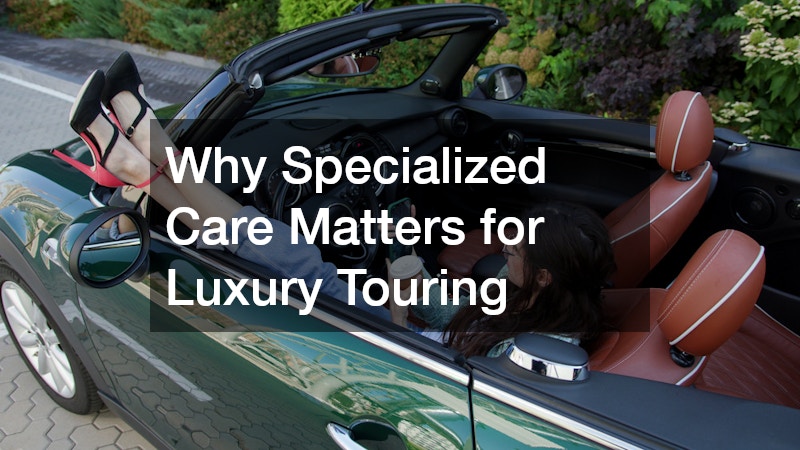
Taking a luxury vehicle on a thousand-mile excursion is an exercise in both excitement and responsibility. These machines are engineered to deliver a level of comfort, performance, and safety that standard cars cannot match, but that precision comes with specific maintenance requirements. When you’re carving through mountain passes or cruising along coastal highways, a mechanical failure born from overlooked preparation can derail everything you’ve planned. High-end touring demands a proactive mindset, one that ensures every component — from the complex drivetrain to the sophisticated cabin electronics — is fully optimized before you turn the key.
Run a Full Diagnostic Before You Depart
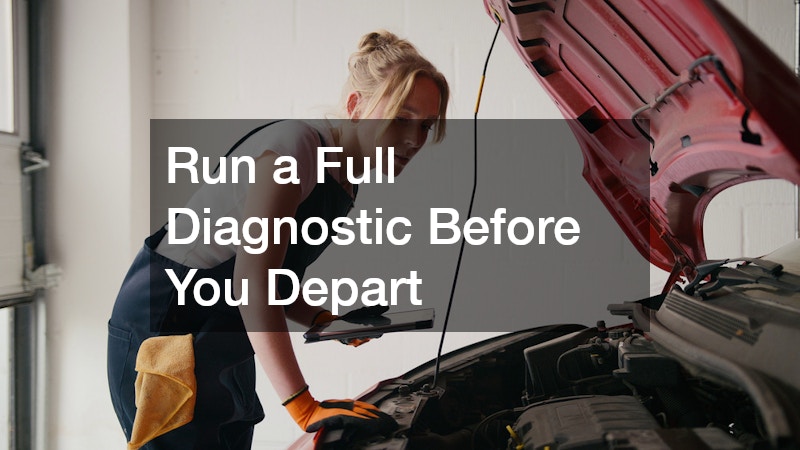
In a high-performance machine, “functional” is not the same as “optimized.” A car that behaves perfectly during a ten-minute commute may reveal hidden vulnerabilities when subjected to the sustained thermal loads of a three-hour mountain ascent. A thorough diagnostic transcends a simple visual walk-around; it requires a deep dive into the vehicle’s “health data” to ensure every subsystem is communicating correctly.
What a thorough pre-trip diagnostic should cover:
- Engine and Cooling System Management: Beyond merely topping off fluids, a technician should pressure-test the cooling system. High-performance engines generate immense heat; a microscopic hairline crack in a plastic coolant expansion tank—common in many European models—might hold steady in stop-and-go traffic but fail catastrophically under the consistent high pressure of a 500-mile day.
- High-Stance Braking Analysis: Check pad thickness, rotor condition, and brake fluid clarity. Because many luxury vehicles utilize electronic brake-force distribution and sensitive ABS modules, the quality of your brake fluid is paramount. Over time, fluid absorbs moisture, which can lead to “brake fade” during spirited driving on winding descents. Ensure the boiling point of your fluid is still within factory-specified safety margins.
- Battery Health and Electrical Load Testing: Luxury vehicles run a high number of electronic systems simultaneously—from massaging seats and dual-zone climate control to advanced driver-assistance systems (ADAS). A battery near the end of its service life might have enough “cold cranking amps” to start the car, but it may struggle to maintain the stable voltage required by the vehicle’s myriad control modules, leading to ghost sensor errors or limp-mode activations in the middle of nowhere.
- Tire Architecture and Performance: Check tread depth, sidewall condition, and inflation pressure. For vehicles equipped with staggered fitments or ultra-high-performance (UHP) rubber, the margin for error is slim. Inspect the inner sidewalls for “bubbling” or feathering that isn’t visible from the curb. If your vehicle utilizes run-flat technology, ensure the pressure monitoring system (TPMS) is calibrated perfectly, as these tires can be notoriously difficult to source in rural areas.
Scheduling this inspection at least two weeks before your departure is a strategic move. It provides a necessary buffer to source specialized OEM parts—which are rarely kept in stock at local hubs—and allows for a “test period” after any repairs are made. You want to discover a loose hose clamp or a faulty sensor in your driveway, not while crossing a state line at sunset.
Seek Out Brand-Specific Expertise for Complex Repairs
Not all repair shops are created equal, and this distinction matters enormously when your vehicle is a precision-engineered machine from Stuttgart, Munich, or Maranello. European and German manufacturers use proprietary software, specialized torque specifications, and brand-specific components that general service centers simply are not equipped to handle at the same level of accuracy.
If you drive a German-engineered vehicle, working with certified BMW mechanics before a major road trip ensures that the sophisticated onboard sensors, adaptive suspension calibrations, and proprietary engine management systems are functioning within their exact factory parameters. These technicians have access to manufacturer-level diagnostic software that aftermarket tools cannot replicate, which means they can identify issues that a generic code reader would never flag.
The same logic applies to transmission repair on high-performance vehicles. Luxury gearboxes — whether dual-clutch, torque-converter automatic, or the increasingly common 8- and 10-speed units — have specific fluid requirements, adaptive learning profiles, and shift calibration procedures that demand specialized knowledge. An improperly serviced transmission may perform adequately in daily driving conditions but show its weaknesses under the sustained load of long-distance highway travel. Ensuring that your transmission service is performed by someone who understands the specific architecture of your vehicle’s gearbox is one of the most important investments you can make before a major trip.
Find a Trusted Local Repair Shop as Your Home Base

Before you focus on what to do while you’re away, establish a strong relationship with a reliable local auto repair facility that understands your vehicle’s needs. This matters for two reasons: it gives you a verified baseline of your car’s health before departure, and it gives you a trusted point of contact if something goes wrong on the road and you need remote guidance on what to do next.
A good pre-trip service relationship with a shop that specializes in European auto repairs means they already know your vehicle’s service history, quirks, and any ongoing issues to monitor. When you call from the road describing a strange vibration at 65 mph or an unfamiliar dashboard warning light, they can give you informed guidance instead of a generic response. That kind of institutional knowledge about your specific car is invaluable when you’re 600 miles from home.
When vetting a shop for your European or high-performance vehicle, look for these indicators of quality:
- Factory-trained or manufacturer-certified technicians on staff
- OEM parts availability or established relationships with OEM suppliers
- Experience with your specific make and model, not just the brand in general
- Transparent service documentation and clear communication practices
- Positive long-term reviews from other luxury vehicle owners, not just volume-based ratings
The time you spend finding the right shop before you leave is time that pays for itself many times over during and after the trip.
Protect the Cabin and Interior From Solar and Thermal Damage
A luxury road trip puts your interior under sustained sun exposure for hours at a time. UV radiation, infrared heat, and direct sunlight are the primary culprits behind leather cracking, dashboard fading, and the kind of interior deterioration that significantly reduces a vehicle’s resale value. This is where quality auto tints go well beyond aesthetics and become a functional investment in your vehicle’s long-term condition.
High-quality ceramic window film blocks a substantial percentage of infrared heat before it enters the cabin, keeping leather seats cooler, reducing the load on your climate control system, and protecting sensitive electronic displays from thermal stress. For drivers who spend significant time behind the wheel, this also directly reduces fatigue — a cooler, less glare-heavy cabin keeps you more alert over long stretches of highway.
The installation quality matters as much as the film quality itself. Poor installation results in bubbling, edge peeling, or interference with defroster grids and embedded antennas. Seeking out reputable local auto tinting services that specialize in ceramic or high-performance films — and that offer lifetime warranties on their work — ensures you’re not dealing with a botched job that needs to be removed and redone before your trip. Ask specifically about the visible light transmission percentage they recommend for your vehicle and your state’s legal limits, as these vary significantly by region.
Upgrade Your In-Cabin Audio and Technology Experience
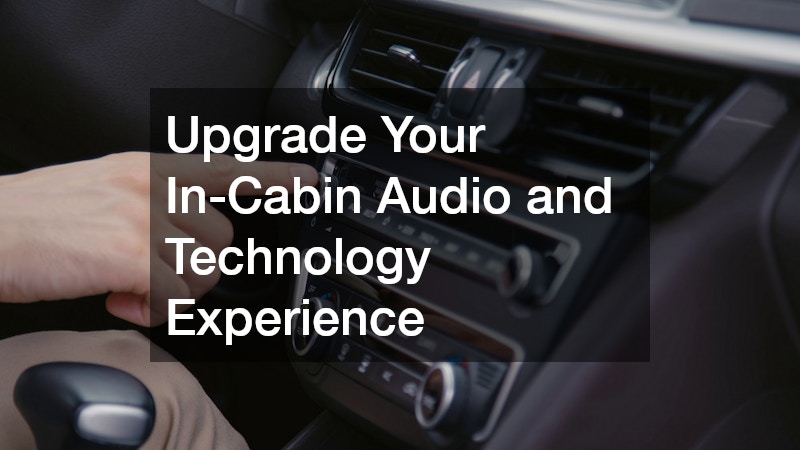
The soundtrack of a road trip shapes the entire experience. While most modern luxury vehicles come equipped with premium factory audio systems, there is often meaningful room for improvement, particularly when it comes to digital integration, streaming quality, and bass response during long highway drives where road noise competes with the music.
Investing in the right car audio accessories before a major trip can transform the cabin experience without compromising the factory aesthetic that makes luxury interiors worth preserving. Some of the most effective upgrades include:
- High-fidelity digital signal processors (DSPs) — These devices sit between your head unit and amplifier, allowing you to fine-tune frequency response, staging, and time alignment to match the specific acoustic properties of your vehicle’s interior.
- Upgraded speaker components — Many factory speakers, even in premium audio packages, use paper cones or compressed drivers that don’t perform as well as aftermarket equivalents at the same price point. Component sets from quality brands offer a meaningful upgrade in clarity and imaging.
- Discreet subwoofer solutions — underseat or spare tire well subwoofers add low-frequency depth without consuming cargo space or altering the vehicle’s exterior profile.
- Wireless CarPlay/Android Auto receivers — For older vehicles with proprietary infotainment systems, a wireless integration module can unlock seamless smartphone connectivity without any permanent modification.
Before committing to aftermarket electronics, verify with your insurance provider that your policy covers high-value audio equipment in the event of theft or accidental damage. Some standard auto policies exclude aftermarket electronics unless specifically added, and the cost of coverage is minimal relative to the investment.
Preserve Your Exterior Finish for the Long Haul
A road trip is genuinely hard on a car’s exterior. Stone chips from highway debris, bug splatter that etches into clear coat if left too long, brake dust accumulation, and the occasional tight parking spot at a scenic overlook all add up to cosmetic wear that diminishes the vehicle’s appearance and, over time, its value. Approaching exterior care as part of your pre-trip preparation — not just an afterthought when you return — puts you in a far better position.
Paint protection film (PPF) applied to the front bumper, hood leading edge, and mirror caps provides a nearly invisible layer of defense against stone chips and road debris. For vehicles that already have minor scuffs or damage before the trip, a professional bumper repair ahead of departure is worthwhile both aesthetically and practically. Uncorrected paint damage is more susceptible to rust initiation, particularly in regions where road salt or coastal moisture is present during the trip.
A ceramic coating applied before departure significantly reduces the effort required to maintain the car’s finish during and after the trip. Water beads off more effectively, road grime releases more easily during washing, and the paint surface is less susceptible to minor swirling from improper cleaning techniques at gas stations along the route.
Plan for the Unexpected: Breakdowns, Towing, and Emergency Contacts

Even with the most thorough preparation, low-probability events can still occur. A road hazard can blow a run-flat at an inconvenient hour. A freak electrical fault can disable a vehicle in an area with limited cell coverage. The drivers who navigate these situations without lasting disruption to their trip are the ones who planned for them in advance.
One of the most important — and most overlooked — parts of pre-trip planning for luxury vehicle owners is vetting tow truck operators before you need one. Low-clearance vehicles, air suspension systems, all-wheel-drive drivetrains, and carbon ceramic brake components all require specific handling that many standard tow operators are not equipped to provide. A standard wheel-lift tow can cause significant damage to a luxury vehicle. You need to identify flatbed-equipped tow trucks with operators who have documented experience handling high-value cars, and you need that information saved in your phone before you leave home.
Additional emergency preparedness steps worth completing before departure:
- Confirm your roadside assistance coverage and its geographic limitations
- Identify certified dealerships or specialty shops at 200-mile intervals along your planned route
- Save the direct numbers for your insurance provider’s claims line, not just the general customer service number
- Carry a basic emergency kit that includes a quality flashlight, reflective triangles, a battery jump pack, and a first-aid kit.
- Download offline maps for areas where cellular coverage is unreliable
The Reward of Meticulous Preparation
The goal of all this specialized care is to remove the “what-ifs” from your itinerary entirely. When you invest in the correct maintenance, use the right professionals, and prepare intelligently for what the road might throw at you, you are not simply fixing a car — you are protecting the integrity of the experience you’ve been planning. Luxury touring is defined by the seamless marriage of driver, machine, and open road. By respecting the engineering requirements of your vehicle and preparing it comprehensively for the journey ahead, every mile you drive is as rewarding as the first. The peace of mind that comes from knowing your vehicle is in peak condition allows you to focus on what actually matters: the horizon ahead, the curves of the road, and the memories accumulating with every mile.