What to Bring on a Road Trip: Must-Have Items You’ll Actually Use

A road trip is one of the best ways to explore new places, bond with friends or family, and enjoy the freedom of the open road. But a great road trip starts long before the engine turns on. Packing the right items can mean the difference between a smooth adventure and a stressful experience filled with delays, discomfort, or unexpected expenses.
Knowing what to bring on a road trip helps you stay prepared for long drives, changing weather, and unexpected situations. Whether you’re planning a weekend getaway or a multi-week cross-country journey, having the right gear keeps you safe, comfortable, and organized. This guide breaks everything down into clear sections, so you won’t forget anything important.
Essential Documents and Personal Items
Before packing snacks or gadgets, start with the most important items you need to travel legally and safely. These are things you should always keep within easy reach, not buried at the bottom of a suitcase.
Your driver’s license, registration, and proof of insurance are critical. Even if you don’t expect trouble, traffic stops, hotel check-ins, and emergencies can require them. If you’re crossing state or national borders, bring any required permits or identification. It’s also smart to keep digital copies of these documents on your phone in case the originals are lost.
Other personal essentials include your wallet, cash, and credit cards. While most places accept cards, some small towns, toll roads, or roadside vendors may require cash. Keep a small amount of emergency money separate from your wallet just in case.
Helpful items to include:
- Driver’s license, vehicle registration, and insurance card
- Passport or ID if traveling across borders
- Credit cards, debit cards, and some cash
- Emergency contact list, written on paper
- Copies of reservations for hotels or campsites
Keeping these items organized in a small folder or travel pouch makes them easy to grab when needed.
Vehicle Safety and Emergency Supplies
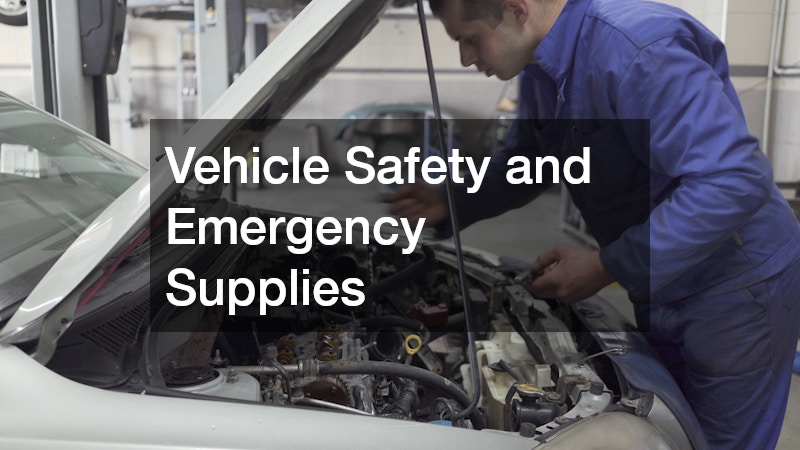
Your car is the most important piece of equipment on a road trip. Even newer vehicles can break down, so it’s best to be prepared for common issues. A basic emergency kit can save time, money, and stress if something goes wrong.
Start with a roadside emergency kit. This should include jumper cables, a flashlight, reflective warning triangles, and basic tools. These items help you stay visible and safe if you’re stuck on the side of the road, especially at night.
A first aid kit is another must-have. Minor cuts, headaches, or stomach issues can happen anytime, and having supplies on hand prevents unnecessary stops. Include bandages, pain relievers, allergy medication, and any personal prescriptions.
Important safety items to pack:
- Jumper cables or a portable jump starter
- Flashlight with extra batteries
- Tire pressure gauge and tire inflator
- First aid kit with basic medical supplies
- Emergency blanket and poncho
- Road flares or reflective triangles
These supplies don’t take up much space but provide peace of mind throughout your trip.
Navigation and Travel Tools
Even with modern technology, navigation tools are still essential for road trips. GPS apps are helpful, but relying on just one device can be risky if you lose signal or battery power.
Your smartphone will likely be your main navigation tool, so bring a car phone mount to keep it at eye level. This helps you follow directions safely without taking your eyes off the road for too long. A car charger or power adapter is also critical to keep your phone running all day.
Paper maps may seem old-fashioned, but they’re useful backups when technology fails. They also help you see the bigger picture of your route, which is great for planning stops and detours.
Navigation essentials include:
- Smartphone with navigation apps installed
- Car phone mount for hands-free directions
- Car charger or power bank
- Paper maps of major routes or regions
- Printed itinerary or travel plan
Having multiple navigation options ensures you’re never completely lost.
Clothing and Personal Comfort Items
Packing clothes for a road trip is about more than style. Comfort, weather changes, and activity plans should guide your choices. Since cars have limited space, choose versatile items you can mix and match.
Bring comfortable outfits for driving, such as breathable shirts and stretchy pants. Long hours in the car can be uncomfortable in tight or stiff clothing. Always pack a light jacket or hoodie, even in warm weather, because car air conditioning and evening temperatures can feel cold.
Shoes matter too. Comfortable walking shoes are essential for sightseeing, while flip-flops or sandals are useful for rest stops, beaches, or hotel rooms.
Comfort-focused clothing and items:
- Comfortable outfits for long drives
- Weather-appropriate layers
- Pajamas and sleepwear
- Walking shoes and casual footwear
- Hat, sunglasses, and sunscreen
- Toiletries and personal hygiene products
Packing a small overnight bag for quick hotel stays can save time when you don’t want to unpack everything.
Food, Snacks, and Drinks
One of the best parts of a road trip is snacking along the way. Bringing your own food saves money, reduces unhealthy fast-food stops, and keeps hunger from slowing you down.
Choose snacks that are easy to eat, not too messy, and filling. Protein-rich snacks like nuts, trail mix, and jerky help you stay full longer. Fresh fruit, granola bars, and crackers add variety and balance.
A cooler is especially useful for longer trips. It keeps drinks cold and allows you to bring sandwiches, yogurt, or leftovers. Staying hydrated is just as important as eating, so bring refillable water bottles for everyone in the car.
Smart food and drink choices include:
- Refillable water bottles
- Healthy snacks like nuts, fruit, and bars
- Cooler with ice packs for perishable food
- Reusable utensils and napkins
- Trash bags for easy cleanup
Planning snacks ahead of time helps avoid unnecessary stops and keeps energy levels steady.
Entertainment and Electronics
Long stretches of road can get boring, especially for passengers and kids. Entertainment keeps everyone relaxed and makes time pass faster.
Audiobooks and podcasts are perfect for road trips. They don’t require screens, and everyone in the car can enjoy them together. Music playlists are another must-have, especially offline versions in case of poor signal.
If you’re traveling with kids, pack activities that don’t rely on Wi-Fi. Coloring books, puzzles, and travel games are great options. Tablets can also be useful, but remember to bring headphones so the driver isn’t distracted.
Entertainment essentials to pack:
- Downloaded playlists, podcasts, and audiobooks
- Headphones or earbuds
- Tablets or e-readers with offline content
- Travel games, books, or activity kits
- Charging cables and power banks
Balancing screen time with shared entertainment helps keep the trip enjoyable for everyone.
Organization and Storage Essentials
A cluttered car can quickly turn a fun trip into a stressful one. Organization tools help keep everything in its place and easy to find.
Use packing cubes or small bags to group similar items together. This makes it easier to grab what you need without unpacking the entire car. Seat-back organizers are great for keeping snacks, electronics, and maps within reach.
Don’t forget trash management. Small trash bags or a car trash container help keep the vehicle clean and prevent mess from piling up during long drives.
Helpful organization tools:
- Packing cubes or labeled bags
- Seat-back organizers
- Small laundry bag for dirty clothes
- Reusable grocery bags
- Trash bags or car trash bin
An organized car saves time and reduces frustration during the trip.
Overnight and Accommodation Items
If your road trip includes hotel stays, camping, or overnight stops, pack items that make sleeping and resting easier. Even short trips can benefit from a few comfort extras.
Bring a small pillow or blanket for the car. These are helpful for naps and make overnight stays more comfortable. If you’re camping, double-check that you have all required gear, such as tents, sleeping bags, and lanterns.
For hotel stays, consider packing a compact toiletry bag and sleep kit so you don’t have to dig through luggage at night.
Overnight essentials include:
- Travel pillow and lightweight blanket
- Sleepwear and slippers
- Toiletry bag for quick access
- Camping gear if applicable
- Earplugs or sleep mask
Good rest is key to staying alert and safe on the road.
Weather and Seasonal Gear

Weather can change quickly during a road trip, especially if you’re traveling through different regions. Packing seasonal gear ensures you’re prepared for unexpected conditions.
In summer, bring sunscreen, hats, and extra water to protect against heat. In winter, pack gloves, scarves, and an ice scraper. Rain gear like umbrellas or ponchos is useful year-round.
Seasonal items to consider:
- Sunscreen and insect repellent
- Rain jacket or poncho
- Cold-weather layers if needed
- Snow brush or ice scraper
- Extra towels for wet or muddy conditions
Being prepared for weather changes keeps your trip comfortable and safe.
Final Thoughts: Pack Smart for a Better Road Trip
Knowing what to bring on a road trip helps you enjoy the journey instead of worrying about what you forgot. From safety supplies and navigation tools to snacks and entertainment, each item plays a role in making your trip smoother and more enjoyable.
The key is balance. Don’t overpack, but don’t leave out essentials either. Think about your route, your travel companions, and the length of your trip when deciding what to bring. With smart planning and the right gear, your road trip can be relaxing, fun, and full of great memories.
Before you head out, review this checklist one last time, load up the car, and enjoy the freedom of the open road.